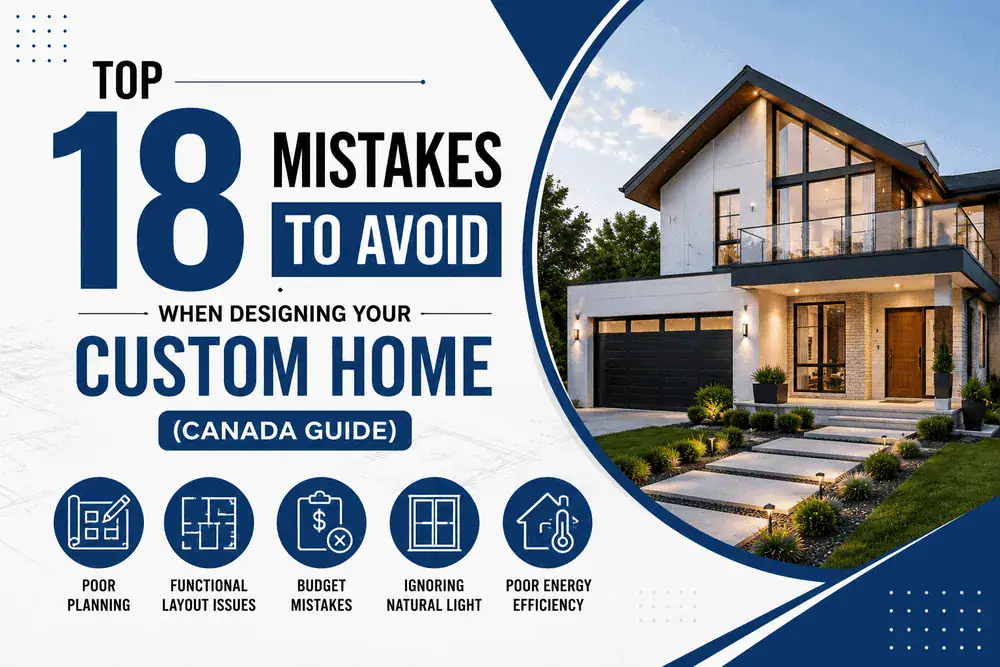

Building a home is one of the most emotional and significant investments of your life. While planning and building your custom home, always keep in mind, not all design features will have the same effect on the value of your home. There will be design features that will have an aesthetic value, but in the real estate market will have very little value. On the other hand, there are home design features that will add value to your home, but will not be easily recognized.
Current market trends have moved away from the gaudy luxuries that may have been popular in the past. Today’s buyers have different priorities, such as the design’s functionality, flexibility, and the costs associated with maintaining and operating the home. It is important to focus on design elements that will meet your needs today, but also consider the home as a high-potential asset that will appreciate in value.
Custom home designs that incorporate the following ideas and features will have a positive impact on the resale value of your home. The design features that enhance custom home designs will take into consideration the buyer’s current needs, and will reduce the need for costly future renovations. They aim to optimize square footage, allow natural light, decrease utility usage, and add independent income potential. They have some features that increase property value.
What Makes a Custom Home Design Increase Property Value?
Resale value is shaped by more than good taste. Buyer demand plays the biggest role, followed closely by how well a space functions for daily living. Energy efficiency has become a deciding factor for many buyers, since lower utility bills make a home more attractive long after the sale closes. Future-proofing matters too, as homes built to adapt to changing needs hold their value better than those designed for a single lifestyle stage. Curb appeal creates the first impression, while adaptability and long-term ROI determine whether that impression turns into a lasting investment. The design ideas covered here were selected because they consistently deliver on these factors.
Interior Design Features That Boost Home Value
The interior’s layout and design choices regulate the daily activities and overall atmosphere of a home.
1. Open-Concept Floor Plans
Open-concept floor plans integrate the kitchen, dining, and/or living areas to eliminate hallways and maximize space. These plans create a natural hosting flow, but to maintain value, sound privacy is important. This can be achieved by using design features, such as suspended ceilings, to create large, open sound zones, and/or glass partially segmented rooms.
2. Energy-Efficient Design Features
Designing a home with energy-efficient home design in mind is financially beneficial. With energy loss prevention by employing high-performance triple-pane windows, exterior continuous insulation, and SIPs, building costs are reduced. Including advanced HVAC helps create a property with low energy consumption, high insulation.
3. Large Kitchen Islands
The kitchen is the most important room for resale value. A large kitchen island with either quartz or engineered stone countertops that is partially or completely framed by cabinetry can serve many purposes and can be a significant design element.
4. Walk-In Pantries
Buyers appreciate storage space. Kitchen butlers’ pantries or expansive walk-in pantries keep kitchen countertops clear. Having custom shelving units and designated sections for appliances and dry goods storage pantries add value to the home.
5. Office Space for Remote Work
The rapid change to remote and hybrid jobs has transformed home office design. Work-from-home setups in guest bedrooms or other areas of the home no longer suffice. A quality home office has soundproof walls, built-in storage, and a high-speed internet connection.
6. Luxury Primary Suites
The primary bedroom should serve a special purpose. Private bedroom and bath areas and separate, organized closets increase the bedroom’s appeal to future buyers.
7. Spa-like Bathrooms
The primary en suite bathrooms that incorporate luxury custom home features like walk-in showers with no thresholds, soaking tubs, and built-in, heated, curved, vanities offer a high return on investment.
8. Higher Ceilings and More Windows
Buyers appreciate homes with larger, open, and airy spaces that have higher ceilings and taller windows.
Functional Spaces Buyers Love
9. Finished Basements
The most highly valued spaces in the home are those that are functional. A fully finished basement adds an entire level of space that buyers appreciate. Instead of leaving an open, ambiguous room, clearly dividing your basement into specific spaces can substantially affect your square footage valuation. Options could include an entertainment room, a home gym, or a guest suite that has its own bathroom.
10. Legal Basement Apartments
Building an accessory dwelling unit (ADU) on your property is an excellent way to build equity quickly, thanks to Ontario’s More Homes Built Faster Act. Because a legal basement apartment would help future buyers with their mortgage, this addition is a great selling point. To make it legal and pass the stringent building inspections, the following features would have to be incorporated, as mandated by the municipal code and the Ontario Building Code. These include:
A finished ceiling height of at least 1.95 metres (6 feet, 5 inches) in all habitable areas. Hardwired smoke and carbon monoxide detectors that are interconnected on both levels. Fire separations in walls and ceilings constructed with fire-rated drywall. A functional kitchen utility space with separate plumbing system and safe emergency exit
11. Flexible Bonus Rooms
A home that is future-ready will contain flexible spaces that can adapted over time, versus hyper-specific, rigid rooms. Designing flexible bonus rooms, such as a loft over the garage or an adaptable flex room on the main floor, allows the space to transition from a toddler playroom to a teen hangout, or an art studio, over time.
12. Multi-Generational Living Spaces
Multi-generational living spaces are becoming more in demand across the Greater Toronto Area. Adding a self-contained in-law suite that has its own micro-kitchen and sitting area, or a secondary main-floor primary suite, makes the home more versatile and appealing to a larger, more diverse population.
13. Mudrooms and Organized Entryways
A tidy home entryway allows the rest of the home to remain tidy. A functional mudroom off the garage entry that incorporates built-in cubbies, tile, hooks, and a pet washing station manages the dirt that comes with Canadian weather.
14. Smart Home Automation
The independent devices are gone and so are the days of tacky, stand-alone systems. The central framework built during the framing stage integrates a variety of smart home features such as climate control, security, lighting, and automated window coverings.
Exterior Design and “Future-Proofing”
The exterior design of the home and the first impression it creates through exterior functionality are what determine the value of a home.
15. Modern Exterior Design
Homes of the Modern style feature large expanses of glass set within clean lines and complex material expressions and configurations. Choosing architectural materials with longevity and low maintenance, such as premium stone, longboard aluminum, and composite wood, allow the crisp aesthetic to remain for decades with no costly remodeling.
16. Outdoor Living Spaces
The best designs treat the outdoor elements as extensions of the indoor spaces. The best compliment to a design with large, multi-slide, clear glass doors are custom exterior decks. Structural design and permitting are equally important. If your design incorporates new structural elements to add height to the outdoor spaces, consider the question: do you need a permit to build a deck? In Ontario, any deck that is greater than 24” from grade and/or greater than 108 sq. ft. requires a building permit.
17. Covered Patios and Outdoor Kitchens
The best design to fully enjoy the short Canadian summer are covered back patios. High-end exterior designs usually feature custom outdoor kitchens including marine-grade stainless steel appliances, built-in gas lines, stone prep areas, and more outdoor heating options.
18. Sustainable Building Materials
Designing and building with sustainability in mind has become a popular choice among buyers, and ensuring the longevity of a building’s structure should be a priority for a designer. Incorporating quality, durable materials like composite decking, triple-glazed windows, and engineered roofing can achieve both goals.
19. EV-Ready Garages
An ev-ready garage is now considered standard for modern custom home design. Installing a dedicated 200-amp electrical panel and pre-wiring a heavy-duty 240V electrical line to each garage bay to avoid having to later dig up the concrete to install a garage EV charging system is a must for future homeowners.
20. Aging-in-Place Design Features
Incorporating design elements that make a home more accessible for aging occupants has become a common goal of future-proof home design. Subtle, universal design features like zero-threshold doorways, wide hallways, reinforced walls in bathrooms for future safety bars, and designs that keep stairs optional, attract wealthy buyers who want to age in place.
Which Custom Home Features Deliver the Highest ROI?
Understanding the potential return on investment (ROI) of high-ROI home upgrades helps buyers budget and financially plan for the features they want most. The table below helps buyers understand the custom home features that are in demand, also help them financially and strategically plan for the feature and design:
| Design Feature | Buyer Demand | ROI Potential | Primary Strategic Value |
| Legal Basement Apartment | High | High | Generates rental income; offsets mortgage costs. |
| Energy-Efficient Features | High | High | Reduces overhead costs and energy use long-term. |
| Home Office Design | High | Medium-High | Fits the modern work-from-home professional lifestyle. |
| Outdoor Living Space | Medium-High | Medium-High | Expands usable square footage into the backyard. |
| Smart Home Technology | Medium-High | Medium | Enhances system integration, security, and savings. |
Custom Home Design Trends Buyers Are Looking for
Buyers value designs that aesthetically and functionally balance the health and wellness of the individuals that occupy the space with the health of the environment.
- Sustainability and Energy Efficiency: Buyers want to insulate themselves from the unpredictable costs of the economy by investing in design features that protect them from high utility costs. They also want to minimize their carbon footprint. Buyers want to invest in air-tight, high-quality insulation and solar energy design.
- Flexible and Multi-Generational Living: Buyers want homes that can adapt to changing family dynamics without extensive home additions. These homes have private, separated wings and flexible, dual-purpose rooms.
- Wellness-Focused Home Features: Buyers want home design features that integrate health and wellness. Homeowners are adding things like sophisticated multi-stage whole-house water filtration loops, dedicated air purification systems, and even private saunas or exercise rooms in dedicated wellness rooms directly into their primary drafts.
Design Mistakes That Negatively Impact Your Property Value

During the drafting phase of a custom home design ideas project, the avoidance of major design mistakes can be as important as choosing the best premium features for the home.
- Excessive Customization of the Home: Although a custom home draw will encompass some personal preferences, the extreme customizations of eccentric room layouts, niche hobby rooms, or overly complex and convoluted custom floorplans can negatively impact the home and limit the reach for future potential buyers.
- Omission of Essential Storage Space: The major mistake of sacrificing essential and functional storage space, like closets and garages, in exchange for large open rooms is negatively terrible.
- Poorly Thought-Out Floor Plan: The poor design of floor plans, like placing bathrooms or poorly designed master bedroom suites that open directly into central dining areas, negatively impacts the functionality of the home and the home’s market value.
- Following Temporary Trends: Highly custom and overly trendy design and architectural elements can negatively impact the property value improvements of the home in a short amount of time.
- Neglecting Energy Efficiency: Custom design and construction focused on the home’s aesthetics and built with subpar insulation and low windows can leave future owners with high utility bills, negatively impacting the home’s market value.
How Professional Custom Home Designers Help Maximize Property Value
Complicated and time-consuming custom home design negatively impacts the home’s value in the long term. Choosing a great design team means your vision will be the focus of your construction plans. Customers will see value with expert design because space is optimized, layouts flow, and design plans are simple including municipal processes. It is also a way to avoid costly construction changes. Customers see changes to flow and function in space, but with design, there is also added value with equity homes.
Frequently Asked Questions
Legal basement apartments are a custom design feature that adds the most equity. They increase a home's potential rental income, which future buyers will appreciate.
Yes. The value increase is not for home automation, but the construction framework of the home. If the home is built well, with an automation, control security and lighting system, the home is more marketable.
Yes. Finished basements add significant value with the extension of use and a functional space. Home design that incorporates a bathroom also increases value and equity for each square foot.
A design feature most requested by homebuyers are home offices. Other features also include energy savings design, open concept design with optimal flow and function, and outdoor space design planning.
Early and efficient design planning with focus on the customer greatly increases ROI. Smart space optimization with classic, flexible, and safe design invests in value longevity.
Final Thoughts: Designing a Home for Long-Term Value
Well-designed and well-built homes can appreciate significantly in the market over time. Temporary shifts in markets and trends can come and go, but solid design will be beneficial always. Designing long-term value homes puts the market potential of properties at the center of the design process. Protective, safe, and legally compliant architectural design gives homes the barriers the market demand cannot always provide.
If you are looking to turn these high-value design features into reality, Dinh Design specializes in creating functional, legally compliant layouts. For premium custom home design in Mississauga and the Greater Toronto Area, Contact us to get started.
Let’s get building!